We outline some of the most important factors to look into when purchasing a new cell phone.
When your old cell phone squeaks like a rusty door hinge, has more lint under the screen than your jean pockets, and lasts half an afternoon with a full charge, it’s time for a new one. But with most cell phone contracts lasting two years, a new phone shouldn’t be the type of purchase you make lightly. Check out our quick and dirty guide to your next phone purchase to make sure you cover all the bases on your shopping trip.
Choosing a carrier
Because most U.S. cell phone carriers heavily subsidize phone purchases in exchange for two-year contracts, and lock the phones to their networks, your choice of cell carrier will have more impact on which type of phone you end up with than any other factor. If you already have carrier and feel satisfied with it, the choice is easy. If not, you’ll need to choose one.
AT&T, T-Mobile, Sprint, and Verizon dominate the cell phone market in the States. Speaking in very general terms, AT&T has a reputation for having the hottest phones but somewhat flaky service due to its overloaded towers, Verizon has the best reception but expensive rates, T-Mobile offers excellent voice plans but has very limited 3G data coverage, and Sprint sells some of the most affordable plans but typically doesn’t offer as many popular phones.
Prepaid carriers like Cricket, Tracfone, and MetroPCS often appear to offer excellent deals, but caveats like poor customer service, limited phone selection and inferior coverage have to be taken into account. Check out our guide to prepaid cellular plans for information on prepaid carriers, and our listing of some of the best if you decide to take that route.
AT&T, T-Mobile, Sprint, and Verizon dominate the cell phone market in the States. Speaking in very general terms, AT&T has a reputation for having the hottest phones but somewhat flaky service due to its overloaded towers, Verizon has the best reception but expensive rates, T-Mobile offers excellent voice plans but has very limited 3G data coverage, and Sprint sells some of the most affordable plans but typically doesn’t offer as many popular phones.
Prepaid carriers like Cricket, Tracfone, and MetroPCS often appear to offer excellent deals, but caveats like poor customer service, limited phone selection and inferior coverage have to be taken into account. Check out our guide to prepaid cellular plans for information on prepaid carriers, and our listing of some of the best if you decide to take that route.
The difference between a smartphone and a feature phone
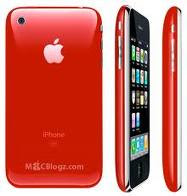
You could divvy up cellphones into dozens of different categories, but these are the two umbrella groups that matter. Smartphones like the iPhone can serve as personal calendars, e-mail machines, Web browsers, gaming platforms, and a literally unlimited number of other purposes. They’re essentially mini computers. Feature phones are more basic, but they still offer features like cameras, text messaging, and even some limited data connectivity, like checking weather or sports scores. Although smartphones obviously have a lot to offer, they also weigh more, offer less battery life, cost more to buy and run, and can make basic tasks like calling seem more complex. If you plan to buy one, make sure you’ll really take advantage of all the extras.
Mobile operating systems
 If you decide to go for a smartphone, choosing the right operating system can be an important factor. The big ones are Apple’s iPhone OS, RIM’s BlackBerry OS, Palm WebOS, Google Android, and Microsoft Windows Phone (formerly Windows Mobile). Individual preferences reign supreme here, but Apple’s iPhone OS offers the widest selection of apps and the simplest user interface, RIM’s BlackBerry OS is less intuitive but powerful and reliable, Palm’s WebOS strikes a nice balance between the two, Google Android is among the most flexible, and Microsoft Window Phone 6.5 offers very few advantages besides familiarity to people who have used it for years. Keep an eye out for Windows Phone 7 Series, arriving in fall 2010, which should up the ante by completely refreshing this operating system.
Different form factors
 Even after choosing between a smartphone or feature phone, you have a lot of choices to make to decide what your phone will actually look like.
A full touch layout like the iPhone has become popular for smartphones, but you’ll usually forgo a hard keyboard as a result. Some smartphones like the Palm Pre or HTC Touch Pro2 offer a slide-out keyboard as a compromise, but get thicker as a result, too. Many smartphones also dupe the popular BlackBerry design: small screen on top, small keyboard below.
In feature phones, the flip or “clamshell” form factor has proven especially popular because of its small size and the fact that it protects the screen and keys when closed. Phones with both the screen and keypad on a fixed rectangular slab are typically called “candybar” phones. As with smartphones, you’ll many feature phones with dedicated QWERTY keyboards, which can be handy for frequent text messagers.
Whichever you decide to go with, make sure to physically handle the phone at a kiosk or store prior to buying. Pictures can often drastically misrepresent the size of phones, and there’s no way to adequately get across the feel of a phone besides trying it yourself.
Notable Features
 The list of features to look for in a phone could fill an anthology, so we’ll run down some of the most important ones.
Cameras appear on nearly every phone these days. Although a quality camera can be great for quick snapshots, few phone cameras are ready to replace a trusty point-and-shoot. The few with variable focus far outperform fixed-focus cameras, which you’ll find on the majority.
When considering a display, pay attention to size and brightness, which will both come in handy when trying to read it in difficult conditions like outdoors in the sun. LCD displays are still the most common, but OLED displays have been cropping up lately as well. They use slightly less power and produce extremely vibrant color, but suffer from poor outdoor visibility.
Battery life often gets buried at the end of buyers’ wishlists, only to lead to disappointment when they realize they can barely go a whole day without recharging. Be particularly careful with smartphones, which can get particularly thirsty.
If you plan to use your phone for playing music or watching video, be sure to check for internal and external storage. A microSD slot will hypothetically allow you to add up to 32GB of storage, but cards with that capacity haven’t hit the market that, leaving 16GB as the upper limit.